
Last updated November 2, 2026
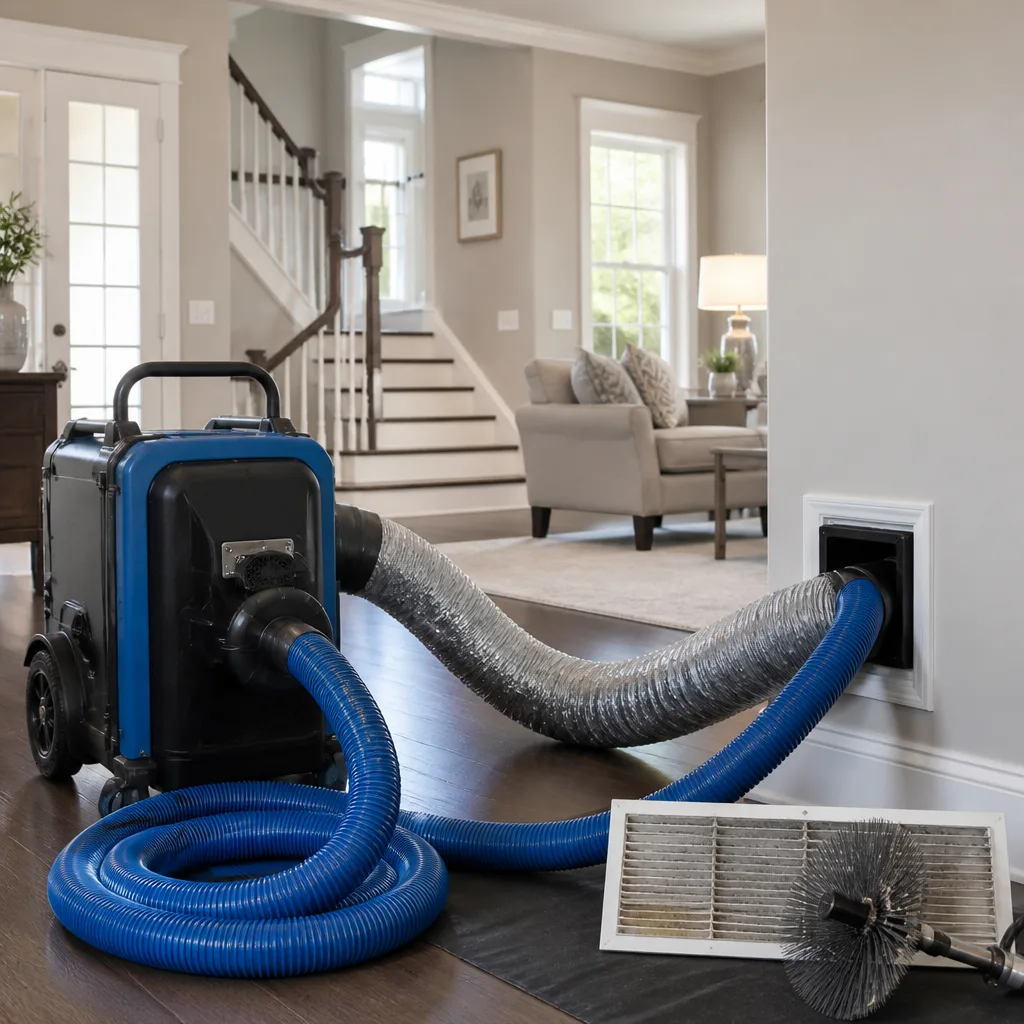 Whole-home duct cleaning
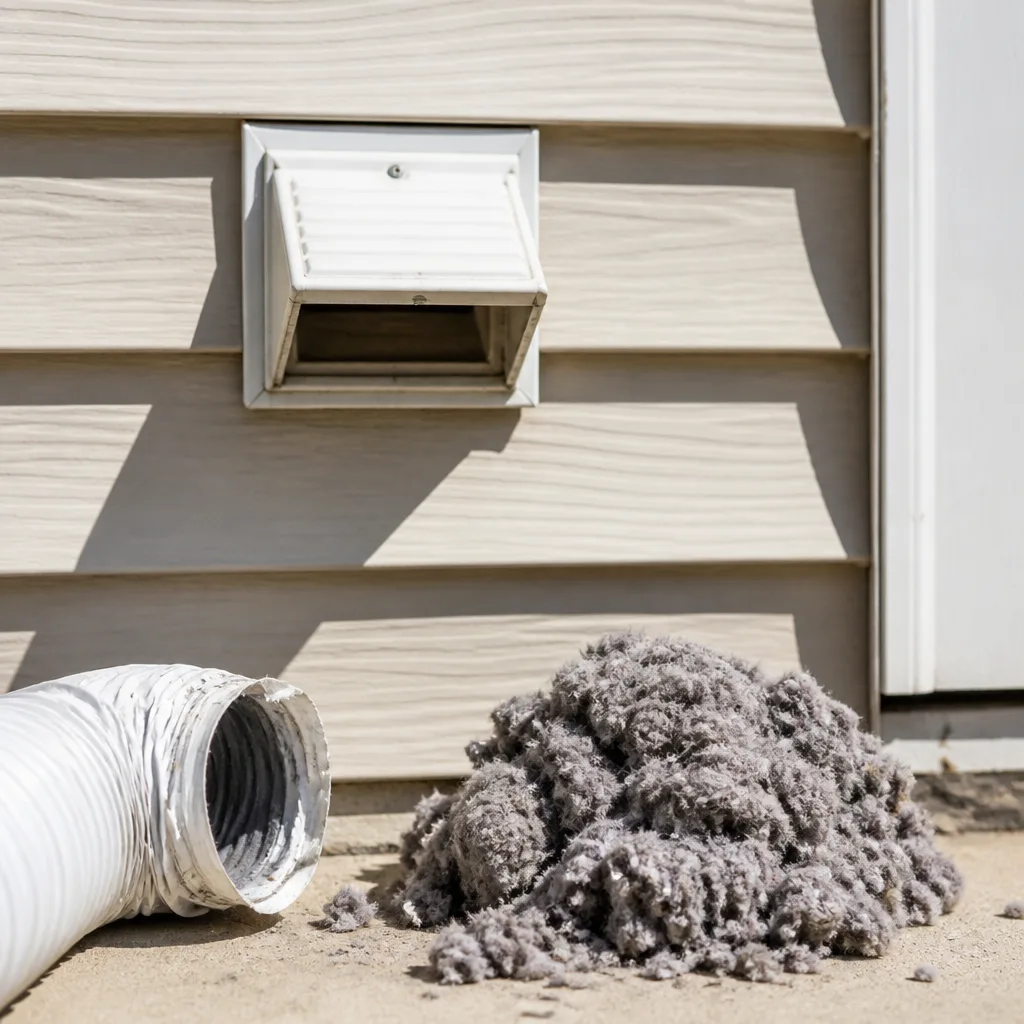 Dryer vent cleaning
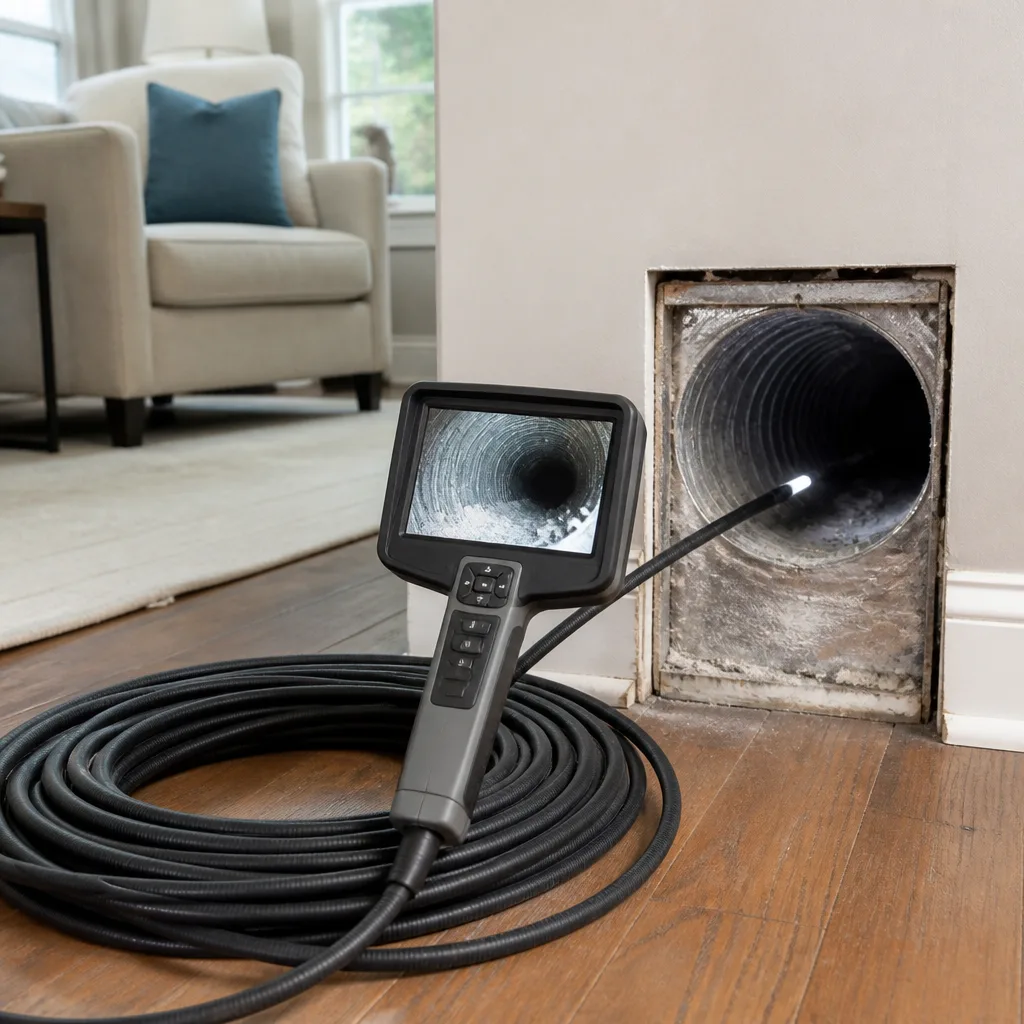 Camera inspection
 Sanitizing & deodorizing
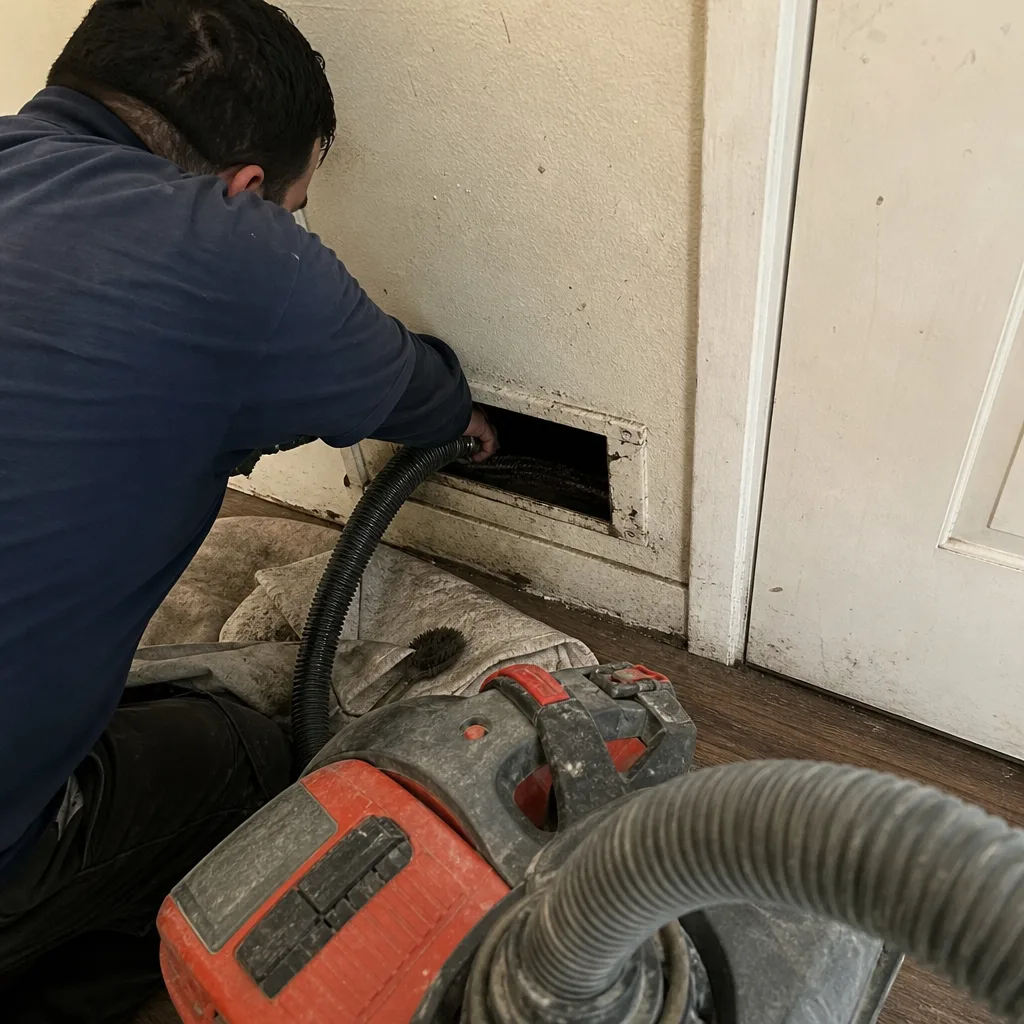
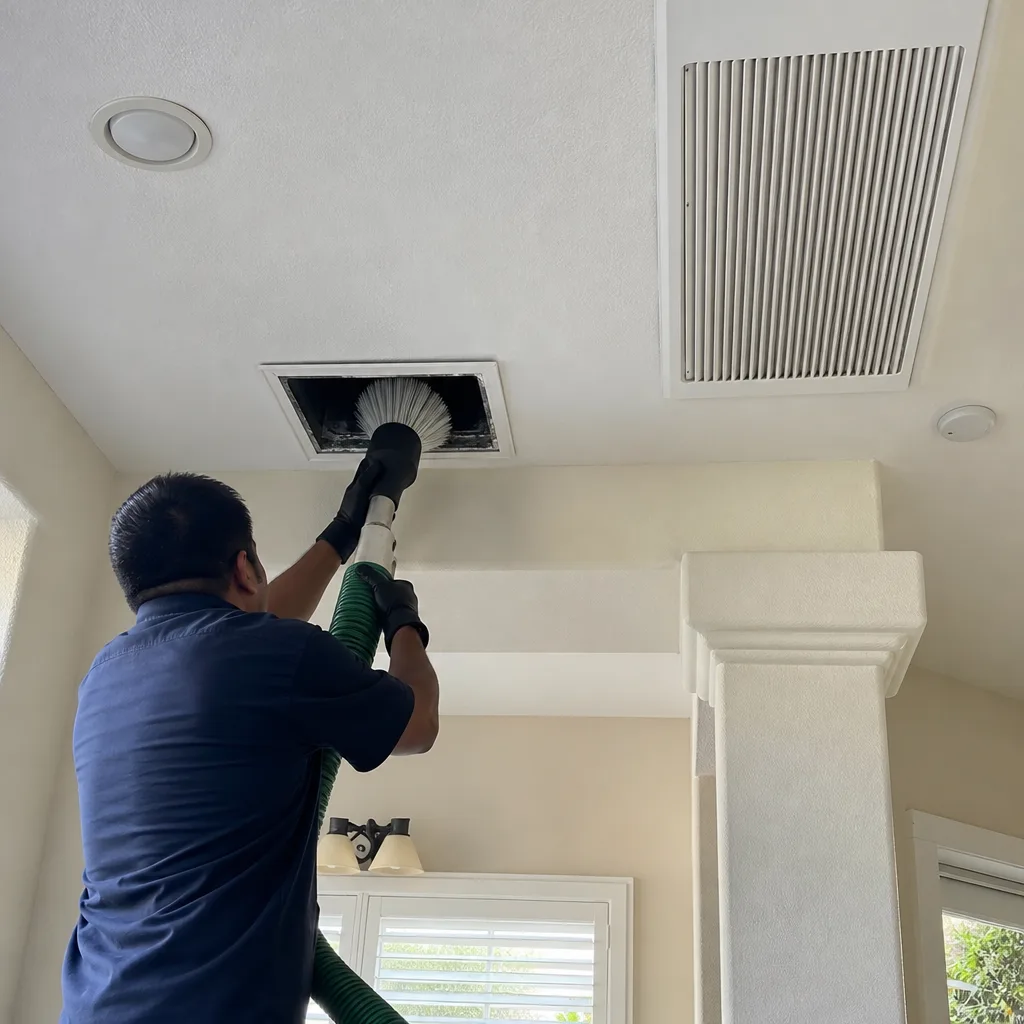
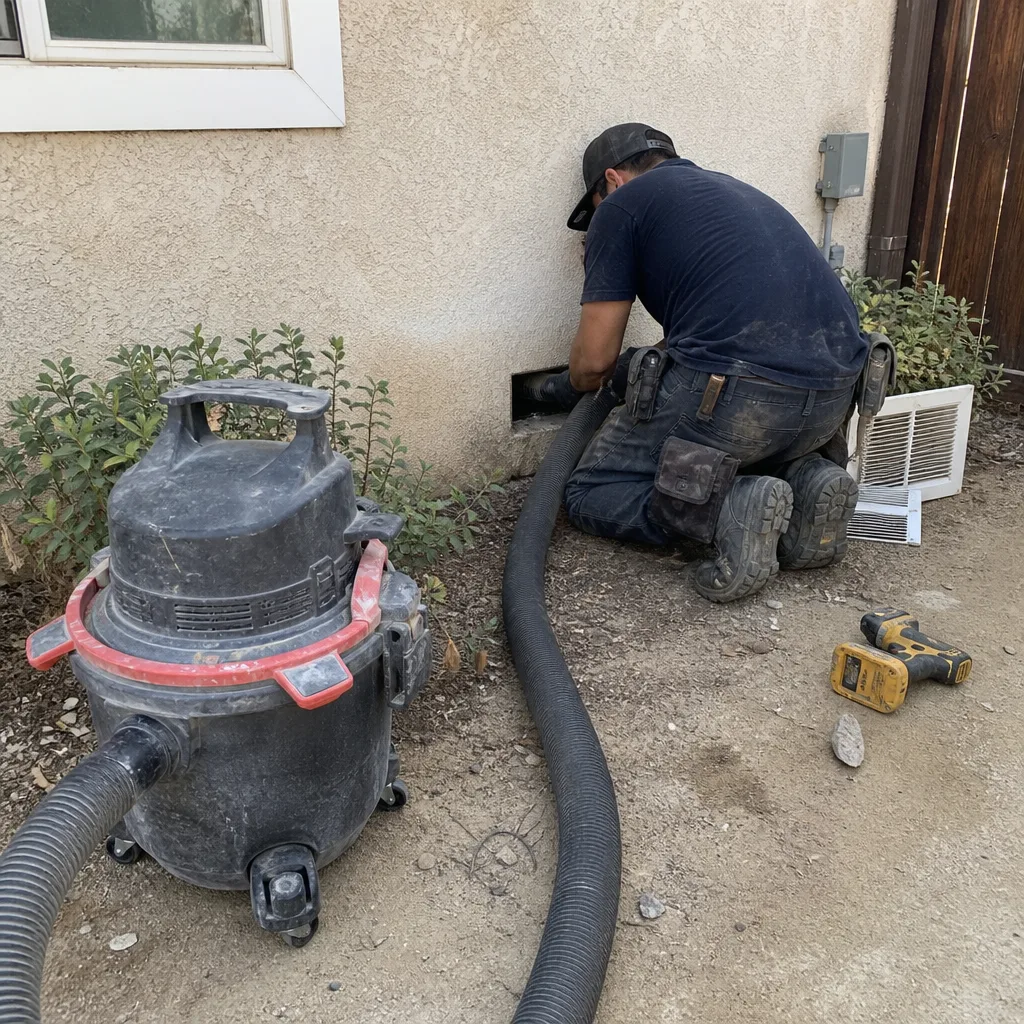
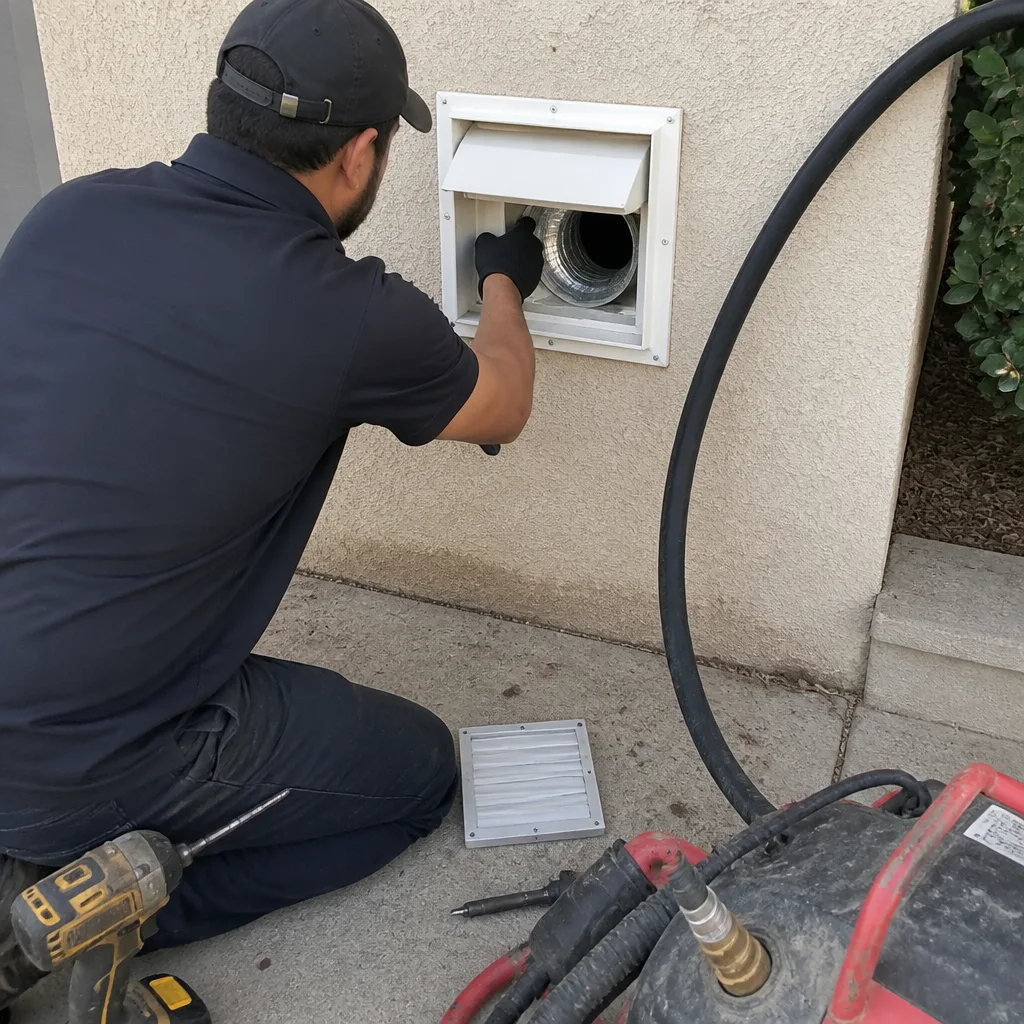
Whole-system duct and dryer vent check with before-and-after photos - you see exactly what came out of your vents
That "$99 whole-house special" is a bait ad - the real number appears once they are in your hallway, or the "clean" is a shop-vac at the register. We photograph the inside of your ducts before and after instead.
Air Duct Cleaning Permits, Codes & Inspections in CA: What You Need to Know
Here’s something most Murrieta homeowners don’t realize until it’s too late: the simple act of cleaning your air ducts can uncover problems that legally require a permit to fix. A technician pulls back a loose section of flex duct and finds it’s disconnected from the trunk line. Or a cleaning reveals rusted-out duct sections that need replacement. What started as routine maintenance just became regulated work under California building codes, and skipping the permit can come back to haunt you at resale. This guide explains exactly where that line sits.
Styles & brands we work with
- Whole-home duct cleaning
- Dryer vent cleaning
- Camera inspection
- Sanitizing & deodorizing
Quick Answer
Routine air duct cleaning requires no permit anywhere in California, including Murrieta. However, duct replacement, significant sealing, or relocation of duct runs falls under the California Mechanical Code and typically requires a permit through your local building department. If the work is part of a larger permitted project, California’s Title 24 energy code may also require HERS rater verification of duct leakage.
Table of Contents
- Permit vs. Maintenance: Where California Draws the Line
- Title 24, HERS Raters, and Duct Leakage Testing
- Riverside County vs. City of Murrieta: Who Governs What
- Existing Duct Leakage and California Real Estate Disclosure
- The C-20 License: Why Repair Work Requires a Real HVAC Contractor
- Documenting Your Duct System: What a Cleaning and Inspection Report Should Include
- Signs Your Duct Cleaning Will Turn Into a Repair Job
- Common Mistakes to Avoid
- When to Call a Professional
- Frequently Asked Questions
- The Bottom Line
Permit vs. Maintenance: Where California Draws the Line
California building code is actually clear on this, even if most homeowners never read it. Routine cleaning of duct interiors is classified as maintenance. You don’t need a permit to run a brush and vacuum through existing ducts. You don’t need one to replace a filter, clean a dryer vent, or inspect a system. The state considers these activities non-structural and non-modifying.
The line gets crossed when work changes the physical configuration or integrity of the duct system. Under the California Mechanical Code (CMC), adopted statewide with local amendments, the following duct-related activities trigger permit requirements:
- Replacement of duct sections exceeding a repair threshold, typically when more than a small patch is needed.
- Installation of new duct runs or extension of existing ones.
- Relocation of supply or return registers to different rooms or positions.
- Significant sealing work that alters system airflow characteristics.
- Replacement of the entire duct system, even if the furnace or AC unit stays put.
- Modification of plenums or connection points at the air handler.
In our experience cleaning ducts across Murrieta’s housing stock, we regularly encounter homes where previous owners skipped permits on duct modifications. The work often functions fine day to day, but the lack of documentation creates problems later. A homeowner refinancing or selling can get tripped up when an inspector notes unpermitted duct work during an energy audit or appraisal.
Here’s the practical takeaway: if all you need is interior surface cleaning, no permit is required. If the technician recommends cutting, replacing, or rerouting duct material, that’s repair work, and repair work needs a permit in Riverside County and the City of Murrieta.
Title 24, HERS Raters, and Duct Leakage Testing
California’s Title 24 Building Energy Efficiency Standards govern how duct systems perform, not just how they’re built. When duct work is done under a permit, the project often triggers a HERS (Home Energy Rating System) rater visit to verify the duct system meets leakage limits. This isn’t optional bureaucracy. It’s the state’s way of confirming that the duct work you paid for actually performs.
California’s Title 24 code sets specific limits on duct leakage. For new or replacement duct systems in climate zones like Murrieta’s (inland Riverside County, where summer temperatures routinely climb above 90 degrees), the compliance standards matter more because your AC system is working harder for more months of the year.
A HERS rater uses a duct blaster test to measure how much conditioned air escapes the system. If the measured leakage exceeds the code limit, the contractor must seal and retest until the system passes. For homeowners, this verification is actually valuable. It proves the work was done right and gives you documentation that holds up during a home sale.
The problem arises when duct work happens without a permit and without HERS verification. You might have a functional-looking system that leaks 30% of its conditioned air into the attic. That’s energy money leaving your house every month. Worse, when you sell, a buyer’s inspector can flag the unpermitted work and the lack of verification, creating a negotiation headache or even killing a deal.
If you’re planning duct repairs or replacement in Murrieta and the project is large enough to need a permit, ask your contractor whether HERS testing will be required. A specialist who handles both air duct cleaning in Murrieta and repair should know the answer without hesitation.
Riverside County vs. City of Murrieta: Who Governs What
Murrieta operates under its own building department, which means the City of Murrieta issues permits for work inside city limits. Riverside County’s building department handles unincorporated areas. Since the City of Murrieta is incorporated, most homeowners deal directly with the city for permits.
The City of Murrieta adopts the California Mechanical Code with local amendments. In practice, Murrieta’s building department generally requires permits for the same duct work categories the state does: replacement, relocation, new installation, and major sealing. What differs is the process. Murrieta uses an online permit portal for simple mechanical permits, and plan review requirements vary by project scope.
For homeowners in Murrieta’s older neighborhoods, like the homes built in the 1980s and 1990s near California Oaks Road or the newer developments along Clinton Keith Road, the condition of original duct work varies significantly. Some of those 30-year-old flex duct systems have never been touched. When they deteriorate and need replacement, the permit path goes through Murrieta’s building counter at City Hall.
Riverside County’s role still matters for two reasons. First, if you own property in nearby unincorporated areas like La Cresta or parts of French Valley, you’ll deal with the county instead. Second, county-level building code interpretations sometimes influence how Murrieta’s smaller building department approaches gray areas like duct sealing versus duct replacement. Contractors who work throughout the region develop a feel for both jurisdictions.
The safest approach is to call Murrieta’s building department directly before starting any duct repair project. Ask whether your specific scope needs a permit. Building department staff in Murrieta are generally responsive to homeowner questions, and getting an answer in writing protects you later.
Existing Duct Leakage and California Real Estate Disclosure
California is one of the most rigorous states for real estate disclosure. Sellers must disclose material facts about the property, including known defects in the HVAC system and any unpermitted work. Duct issues sit squarely in this territory.
If you know your ducts leak significantly, or if you did duct work without a permit, California law requires you to disclose that to a buyer on the Transfer Disclosure Statement (TDS) and the Supplemental Seller’s Questionnaire. Failing to disclose can lead to post-sale legal claims. Buyers who discover unpermitted duct work or bad leakage after closing have filed successful suits against sellers who knew or should have known.
This is where a documented cleaning and inspection report earns its value. When we clean a duct system, we’re inside every accessible section of it. We see the disconnected joints, the crushed flex runs, the rusted sections, the evidence of rodent intrusion. A written report that documents the system’s condition at a specific point in time gives you defensible baseline data.
For a seller, that report demonstrates you took reasonable care and disclosed what you knew. For a buyer, it provides confidence that the system was professionally evaluated. For someone who did repair work with permits and HERS verification, it’s the cleanest possible documentation trail.
One more thing: if a home inspector flags duct issues during escrow, a current, professional inspection report from a duct specialist carries far more credibility than a seller’s verbal assurance that the ducts are fine. In Murrieta’s competitive housing market, that credibility gap can be worth real money in negotiations.
The C-20 License: Why Repair Work Requires a Real HVAC Contractor
California requires anyone performing HVAC work that modifies a duct system to hold a C-20 Warm-Air Heating, Ventilating, and Air-Conditioning Contractor license issued by the Contractors State License Board (CSLB). Cleaning-only work doesn’t require this license. But the moment the job crosses into repair, the licensing requirement kicks in.
This matters because it creates a division in the duct services market. There are companies that only clean ducts and have no C-20 license. There are general HVAC contractors that hold C-20 licenses but treat duct cleaning as a minor add-on to their core business. And then there are specialists who perform both cleaning and repair under one roof, carrying the C-20 license for the repair portion of the work.
Verifying a license is simple. The CSLB operates a free online license lookup tool at cslb.ca.gov. Enter the contractor’s name or license number, and you can see their license status, classification, bonding information, and any disciplinary history. Taking five minutes to run this check before hiring for duct repair work is one of the smartest due diligence steps a Murrieta homeowner can take.
Why does this matter for a cleaning customer? Because a cleaning can reveal repair needs. If your cleaning technician finds a disconnected duct section and the company has no C-20 license, you’re now coordinating two contractors: one to clean, another to repair. That’s scheduling friction, inconsistent accountability, and often higher total cost. A company that handles both air duct repair in Murrieta and cleaning under the correct licensing keeps the whole job under one standard of workmanship.
Documenting Your Duct System: What a Cleaning and Inspection Report Should Include
A proper duct inspection report isn’t a checkbox form. It’s a record of what the technician found, what was done, and what remains outstanding. If you’re using this report for disclosure purposes, insurance documentation, or contractor handoff, it needs to be substantive. Here’s what a useful report contains:
- System overview: Equipment location, approximate duct material type, number of supply and return registers, and a note on overall system condition.
- Findings list: Each issue documented with location and severity. Disconnected sections, crushed flex, rust, mold indications, rodent debris, air leaks at joints.
- Before-and-after photos: Visual evidence of the system’s condition at the time of service. Photos taken with a duct camera are the standard of proof.
- Work performed summary: What was cleaned, what was sealed, what was left in place and why.
- Outstanding recommendations: Any repair needs the homeowner should address, prioritized by severity.
- Date and technician identification: Establishes the timeline for any future claims or disclosures.
When we clean ducts in Murrieta homes, we generate this documentation as part of the job, not as an add-on. The reason is practical: a house might not need new ducts today, but the report creates a baseline. Three years later, when a leak develops or a home sale is pending, that baseline answers the question of whether the problem pre-dated the cleaning.
Equipment matters for report quality too. Systems like Rotobrush and Nikro professional duct cleaning machines are built for thorough debris extraction, which means the technician can actually see the duct interior after cleaning, not just guess. Abatement Technologies gear extends that capability into elevated contamination scenarios where particulate containment matters. A clear post-cleaning view is what makes a report worth something.
Signs Your Duct Cleaning Will Turn Into a Repair Job
Walk into a cleaning appointment knowing these warning signs. They’re the difference between a simple maintenance job and the point where permits and a C-20 contractor enter the picture.
- Visible disconnected sections: Your technician reports supply air venting into the attic or crawl space instead of the room. This is repair work.
- Crushed or torn flex duct: Flex duct that’s been stepped on, pinched, or torn by rodents needs replacement sections. Permit territory.
- Rust perforation in metal duct: In older Murrieta homes near the coast’s former agricultural areas, humidity and age take a toll. Holes mean replacement.
- Loose or broken dampers: Internal dampers that no longer open or close properly affect whole-system airflow. Repair is required.
- Rodent contamination: If rats or mice have nested in the ducts, the affected sections often need replacement, not just cleaning. This is health and safety territory.
- Disconnected dryer vent runs: While the dryer vent cleaning in Murrieta itself needs no permit, discovering a disconnected or improper vent run does. The repair may require a permit for the modification.
The takeaway isn’t to dread a cleaning. It’s to be prepared for what a thorough cleaning can uncover, and to understand that discovering a problem now is far cheaper than discovering it during escrow on a home sale.
Common Mistakes to Avoid
- Assuming all duct work is permit-free. Cleaning is maintenance. Replacement, relocation, and major sealing are regulated. The distinction catches people off guard every month in Murrieta.
- Skipping the permit to save time. Unpermitted duct work surfaces during appraisals, energy audits, and buyer inspections. The savings evaporate when you’re forced to disclose or retroactively permit at higher cost.
- Hiring a cleaning-only company for repair work. Without a C-20 license, they legally can’t touch the repair. You’ll end up paying for two contractors and coordinating them yourself.
- Ignoring Title 24 energy compliance. In Murrieta’s climate, leaky ducts mean the AC runs more and bills run higher. The energy code exists because this leakage costs real money statewide.
- Not documenting the duct condition before selling. California disclosure law is unforgiving. A dated inspection report from a professional is your strongest defense against a post-sale claim.
- Treating dryer vents as an afterthought. Dryer vent systems move literally burning-hot air out of your house. Improperly installed vents are a documented fire risk under NFPA standards. This is a safety service, not a convenience.
- Believing a low price means an equivalent job. Companies that arrive with consumer-grade shop vacuums can’t extract the same debris load as professional systems. The cheaper quote often reflects cheaper equipment and worse results.
When to Call a Professional
If you’ve just bought a home in Murrieta and have no record of when the ducts were last serviced, call a professional for a baseline cleaning and inspection. If you’re planning to sell, a documented duct report strengthens your disclosure position. If you’ve noticed dust accumulating faster than normal, musty smells from the registers, or rooms that heat and cool unevenly, the duct system is the first place to look. And if a previous cleaning report flagged any repair recommendations, don’t let them sit. Unresolved duct issues don’t self-correct. They get worse, and the permit path only gets longer. Duct Cleaning Murrieta offers free estimates in Murrieta. Call (855) 341-7672 to schedule an inspection and get a clear picture of what your duct system needs, whether that’s a simple cleaning or a full Duct Cleaning Murrieta home assessment.
Frequently Asked Questions
No. Routine interior duct cleaning is classified as maintenance under California building codes and requires no permit anywhere in the state. However, if the cleaning reveals damage requiring duct replacement, relocation, or major sealing, that repair work triggers permit requirements under the California Mechanical Code.
If you’re unsure whether your situation crosses the line, call (855) 341-7672 for a professional assessment that identifies exactly what work your system needs.
Duct replacement, new duct runs, relocation of registers, and significant sealing all typically require a permit through the City of Murrieta building department. Small repairs like patching a minor hole or reattaching a loose connection may fall under maintenance. The building department can confirm your specific scope. When in doubt, a C-20 licensed contractor who handles repair work should be able to tell you with confidence.
A HERS rater is a certified third-party verifier who tests duct leakage and other energy performance metrics to confirm compliance with California’s Title 24 energy code. When duct work is done under a permit, HERS verification is often required to prove the system meets minimum leakage standards. This protects you as the homeowner by providing documented proof the work was done correctly. Call (855) 341-7672 for guidance on whether your project will need HERS testing.
Yes. California real estate disclosure law requires sellers to disclose known defects and unpermitted work on the Transfer Disclosure Statement and related forms. Failure to disclose can result in post-sale legal claims. A documented cleaning and inspection report showing the system’s condition at a known date provides defensible baseline data and demonstrates good-faith disclosure.
Duct repair and modification work requires a California C-20 Warm-Air Heating, Ventilating, and Air-Conditioning Contractor license. Cleaning-only work has no specific license requirement. Before hiring for any repair, verify the contractor’s C-20 license status using the free CSLB license lookup tool at cslb.ca.gov. A specialist who performs both cleaning and repair should carry the C-20 for the repair portion.
For most Murrieta homes, duct cleaning every 3 to 5 years is reasonable, though homes with pets, smokers, recent renovation work, or allergy-sensitive occupants may benefit from more frequent service. The region’s dry climate and periodic Santa Ana winds push fine particulate into homes, and older homes with original flex duct from the 1980s and 1990s often accumulate more debris. An Air Duct Cleaning services inspection can tell you whether your system is overdue. Call (855) 341-7672 for a free estimate.
The Bottom Line
Duct cleaning in California and Murrieta is permit-free maintenance. But the moment a cleaning reveals damage requiring repair, you’re in regulated territory under the California Mechanical Code, Title 24 energy standards, and local building department rules. Skipping permits on duct repairs creates documentation gaps that surface at resale. The smart play is to work with a licensed specialist who can handle both cleaning and repair, document everything, and tell you honestly whether your project needs a permit, a HERS rater, or neither. Clean ducts are the foundation of clean indoor air, but documented, properly repaired ducts are the foundation of a defensible property record. See our more guides & resources for related homeowner advice.
Written by the team at Duct Cleaning Murrieta, serving Murrieta since 2015.
See the difference
 Before
 After
 Before
 After
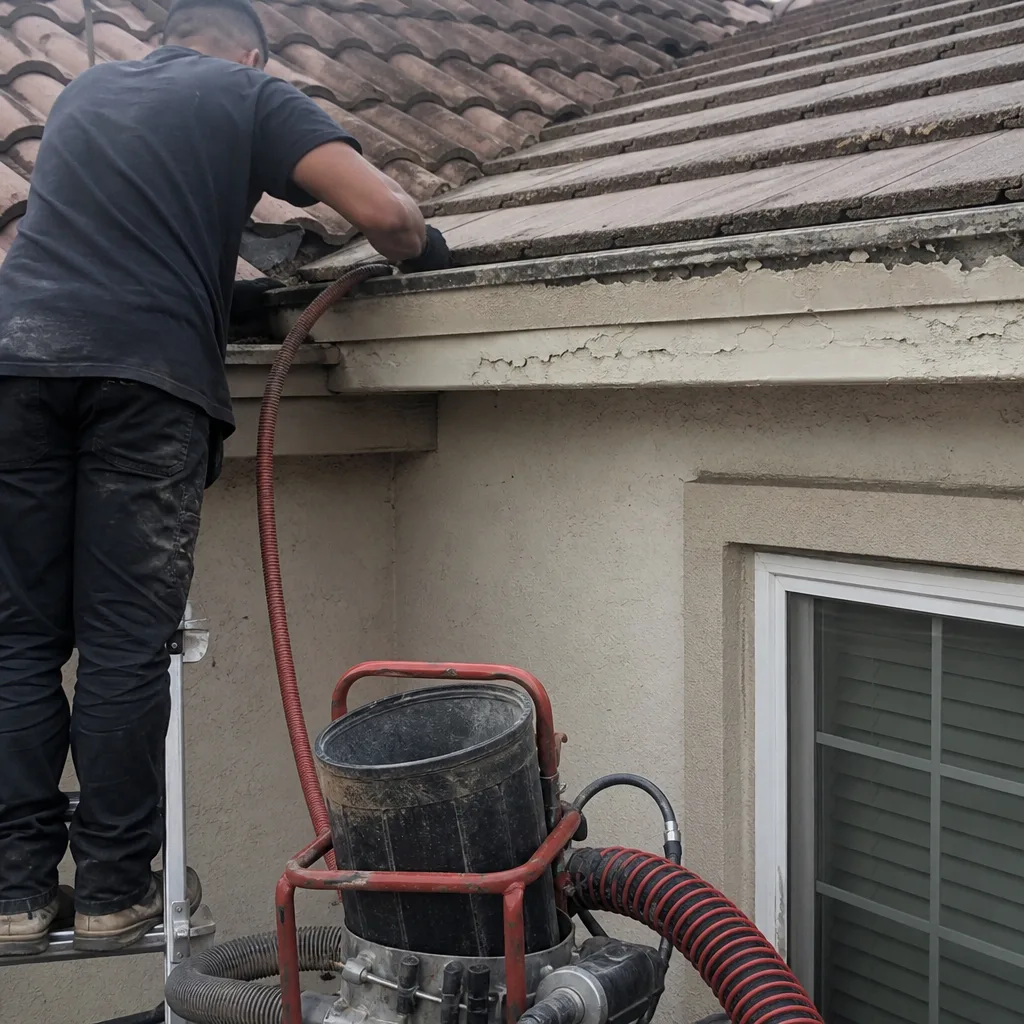 Before
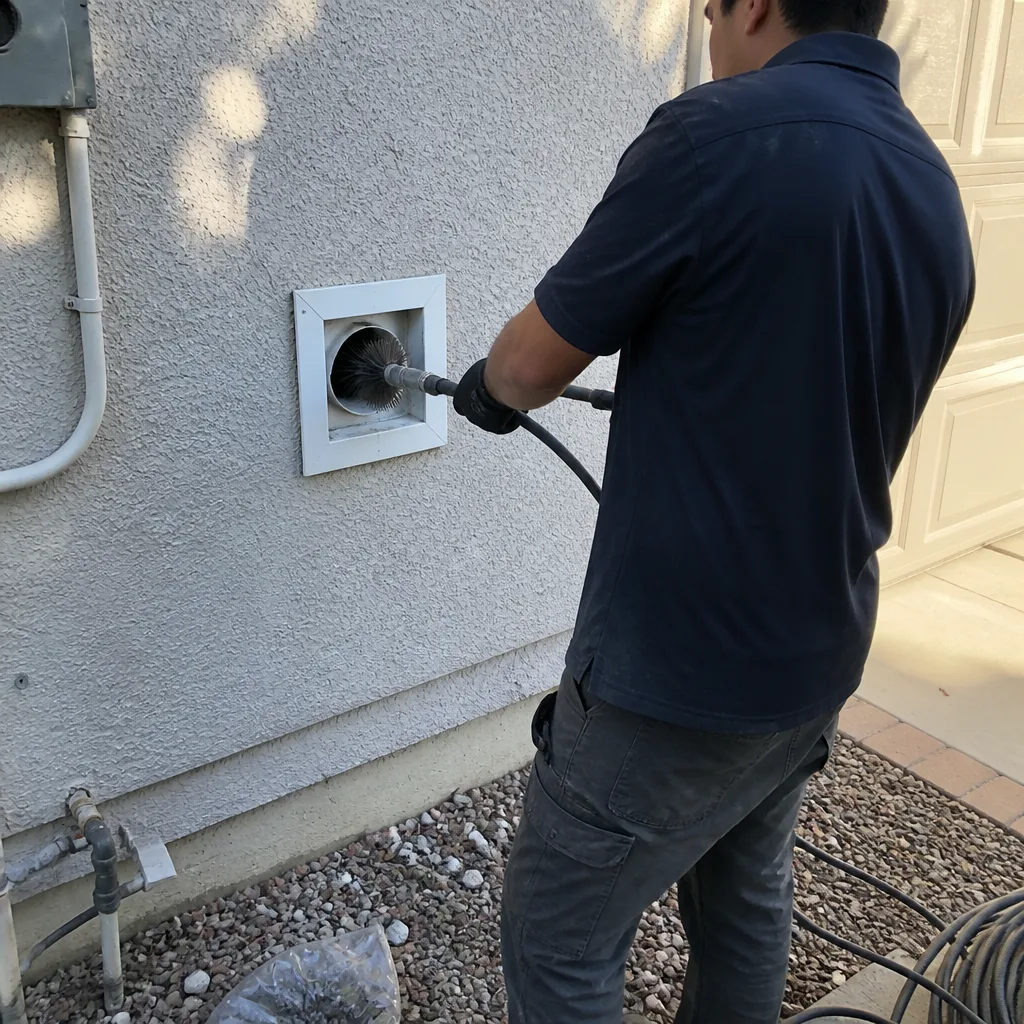 After